

Art & Artifacts Record
Images
Metadata
Object Name |
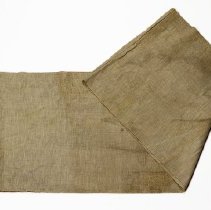
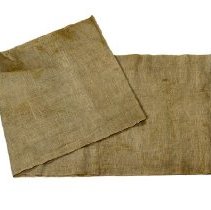
Towel |
Collection |
Artifact collection |
Object ID |
M1991.291.1.1 |
Date |
1752 |
Dimension Details |
16" H x 43" W x 1/8" D |
Description |
Rectangular home-spun linen towel made from flax grown on Long Island. |
Place Names |
Brooklyn (New York, N.Y.) |
Subject Headings |
Enslaved persons Farming Slavery Women in agriculture |
Personal and Corporate Names |
Furman, Sarah |
Curatorial Notes |
Donation records indicate that a Long Island woman named Sarah Furman may have been the original owner of this linen towel, which she wove in 1752 from Long Island flax. The broader details of Sarah's life remain a mystery, but her towel provides insights into women's unacknowledged contributions to America's early agricultural economy. In colonial America, farms throughout Long Island (including Brooklyn) produced wheat, barley, rye, and corn, which growers transported to Manhattan for sale. In addition to these food stuffs, flax was a popular local crop, planted both to produce flax seed to sell, and also for processing into linen cloth. Manufacturing linen was an intensive, multistep process driven by women's skilled labor and oversight. The linen production industry was small and private, run largely out of the home, but it drew together large networks of people. On Long Island, laborers (many likely enslaved) first oversaw the growing, retting, and dressing of flax plants. Using spinning wheels, women then spun linen thread. They then hired weavers (usually male) to weave the linen cloth women needed to make clothing and household textiles. Linen production remained popular in America until cheap cotton flooded the market in the early 1800s. |